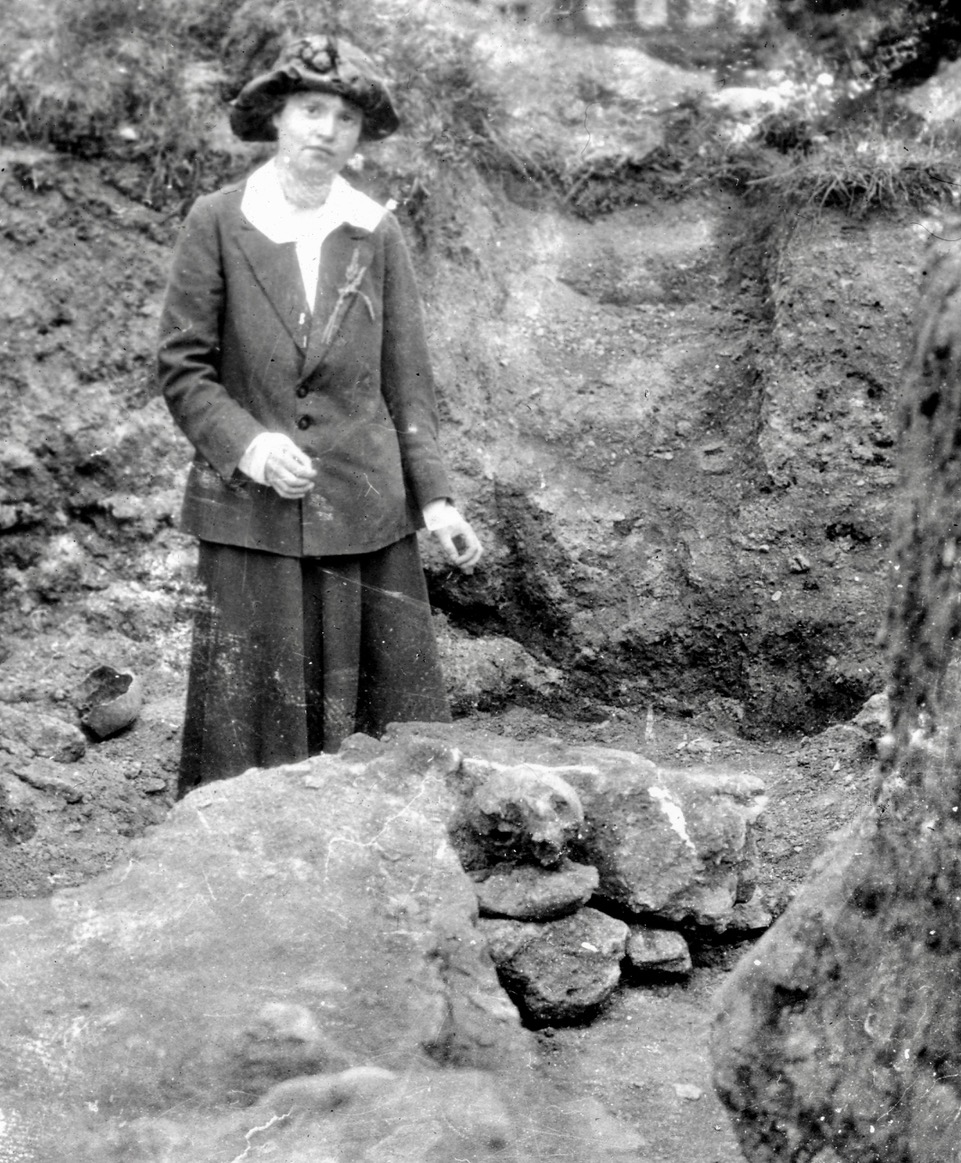
One of the most important excavations in Abingdon took place in the early 1980s at what is now Gardiner Close and Eason Drive.
A Neolithic barrow, several Bronze Age barrows and burials, a Roman cemetery and an Anglo-Saxon village were excavated. Some of the earliest metal objects from the British Isles (three small copper rings, dated to about 2500 BC), was found in this work.
When the Saxton Road estate was being built in 1934, one of the largest Anglo-Saxon cemeteries in Oxfordshire was found and excavated.
It had 119 burials and 82 cremations. Weapons, tools, jewellery and urns were found with some of the dead. It was used by settlers who came northern Europe to Britain after the end of Roman rule. A Bronze Age barrow was also found.
Abingdon New Cemetery in Spring Gardens occupies one of the highest points in Abingdon. Excavations, and finds made during grave-digging, show that this site was used in many periods: Mesolithic, Neolithic, Bronze Age, Iron Age, Roman and Saxon.
Important discoveries included the site of a rare Bronze Age timber circle, probably a ceremonial monument of some kind.
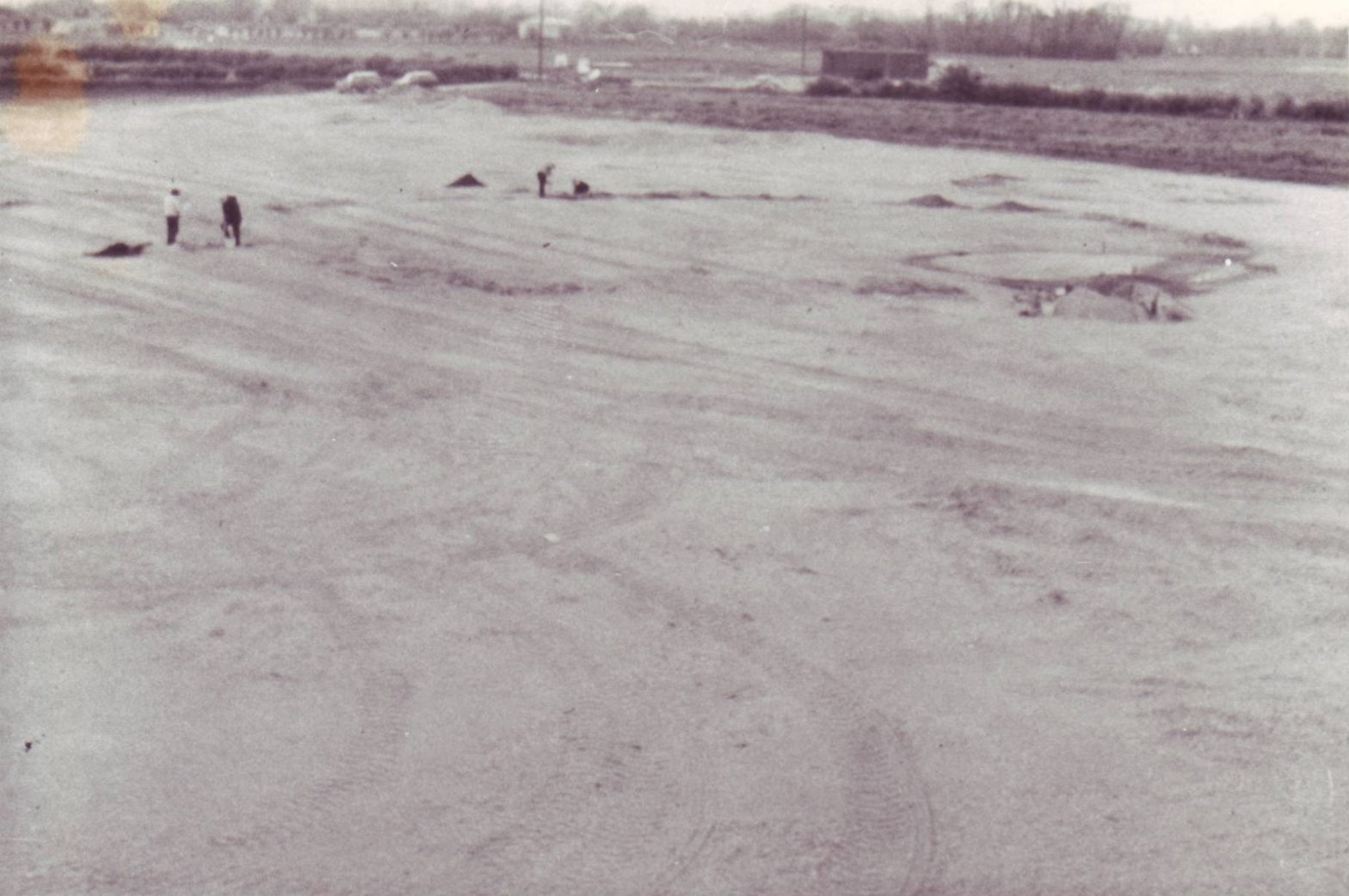
Between 1970 and 1973, rescue excavations were carried out by Abingdon’s Archaeological Society in gravel pits at Wilsham Road. Part of the area is now Abingdon Marina.
Discoveries included Bronze Age barrows, a Bronze Age farm, a Roman trackway and enclosure and early Anglo-Saxon buildings. These buildings may be linked to the large Anglo-Saxon cemetery at Saxton Road.
Anglo-Saxon bone carving of a fish, about 6.5 centimetres long (c) Simon Blacmore
Excavations in 1972 to 1976, before the Daisy Bank housing esate was built, discovered an Iron Age enclosed farmstead, a Roman villa and Anglo-Saxon buildings and burials.
The Roman villa was probably the centre of a farming estate which extended as far as the River Thames.